CoramBAAF Bookshop

Displaying 101 - 110 of 123

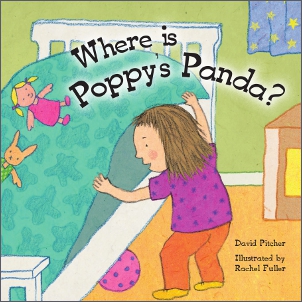
Where is Poppy's panda?

| David Pitcher

Change can cause confusion and uncertainty for children, but particularly for fostered and adopted children. This charming children's story uses Poppy and her lost panda to explore change, continuity, and anxieties about moves, changes and attachment in a way that feels safe and nonthreatening.

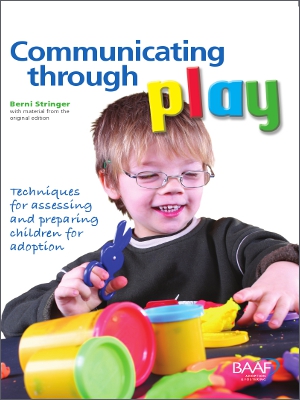
Communicating through play

| Berni Stringer

This guide describes a wide range of play techniques that are simple to carry out, creative and can be fun. They will help children to talk about their feelings, fears and hopes. Using case examples, the guide shows how workers can become more skilled at observing and encouraging attachment behaviour, more effective in interpreting and communicating assessment findings to adoptive parents, and better able to help carers understand and use these findings in their day-to-day parenting.
Ten top tips for finding families eBook only

| Jennifer Cousins

This quick reference guide explores the important issue of recruiting new carers and welcoming a wide range of permanent families. Written in an accessible and straightforward style it provides a breadth of information and advice that will provide social workers with a framework for best practice in family-finding.

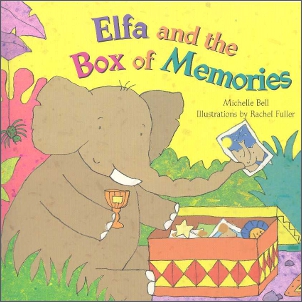
Elfa and the box of memories

| Michelle Bell

Memories can be good and bad, happy and sad; those we want to keep alive and others we would rather forget. Looked after children may have more difficult memories that most, because of separation and loss and traumatic events that may have taken place. In this charming picture book, Elfa the elephant discovers that sharing her memories and remembering the good things that happened is more helpful than keeping them locked away.

Spark learns to fly

| Judith Foxon

This engaging picture book, designed for use with young children, looks at the difficult issue of domestic violence and what this could mean for the children involved. Spark and Flame learn to understand why they had to leave home, why they cannot live with their birth parents any more, and to come to terms with their painful emotions.